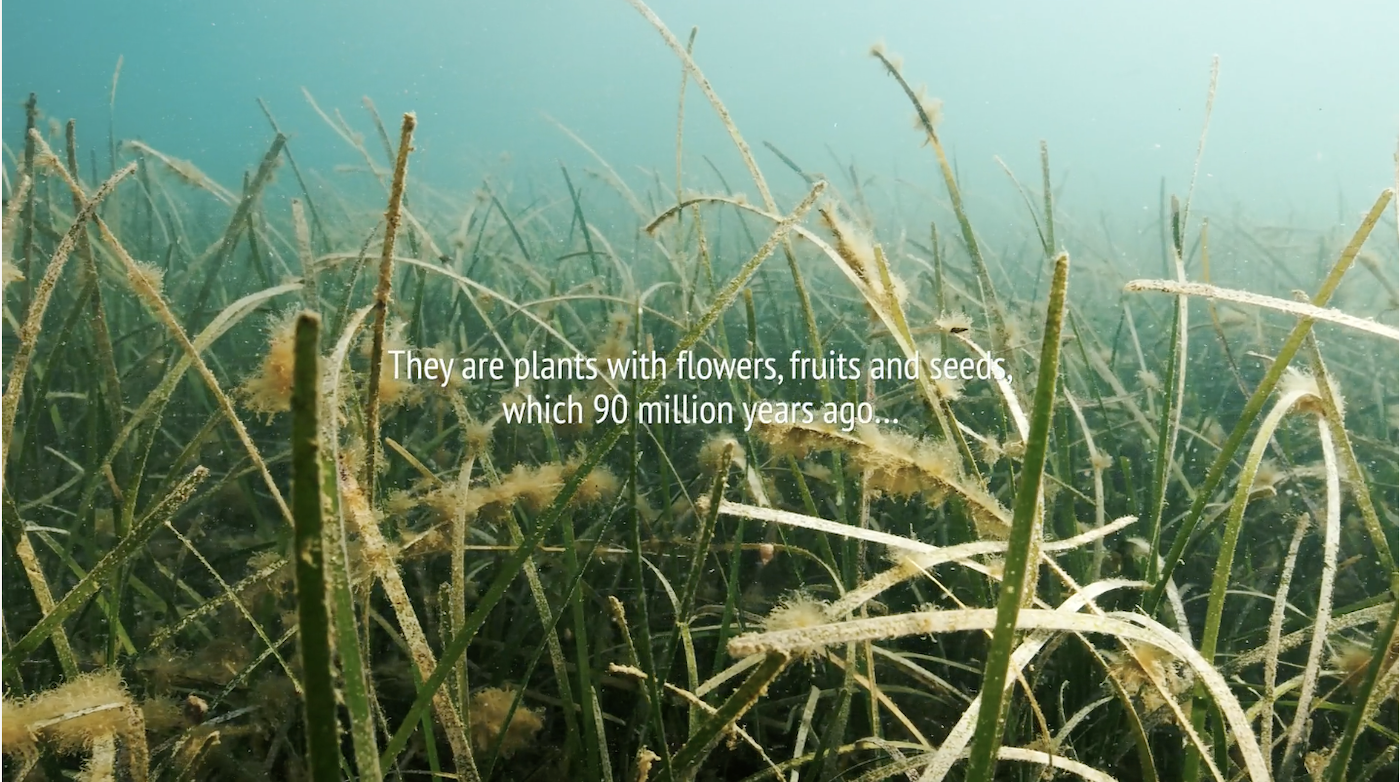
Introduction to Seagrass Meadows

Related Resources

How are Blue Forests Threatened in Norway?
Blue forests around the world are disappearing at an alarming rate mostly due to human impacts and climate change. Watch to learn more about the underlying causes threatening blue forests, and how t[...]
Wetland Restoration Citizen Science Program
This short video presents the role of citizens for blue carbon assessment: the Wetland Restoration Citizen Science Program (Australia), also known as the Blue Carbon Army. [...]
Marine Ecosystem Services
Marine ecosystems represent some of the most heavily exploited ecosystems throughout the world. For example, coastal zones make up just 4% of the earth’s total land area and 11% of the world’s oce[...]
5 “Blue Forests” That are Vital to Life on Earth
When you think of a forest, chances are you picture trees rising high above you, leaves crunching underfoot. But there are some very different types of forest – in and under the water – th[...]
The Global Flood Protection Benefits of Mangroves
Coastal flood risks are rising rapidly. We provide high resolution estimates of the economic value of mangroves forests for flood risk reduction every 20 km worldwide. We develop a probabilistic, pr[...]
Understanding the Role of Conceptual Frameworks: Reading the ecosystem service cascade
The aim of this paper is to identify the role of conceptual frameworks in operationalising and mainstreaming the idea of ecosystem services. It builds on some initial discussions from IPBES, which sug[...]
Keys to Successful Blue Carbon Projects: Lessons learned from global case studies
Ecosystem services such as protection from storms and erosion, tourism benefits, and climate adaptation and mitigation have been increasingly recognized as important considerations for environmental p[...]
Carbon Accumulation and Storage Across Contrasting Saltmarshes of Scotland
Saltmarshes are acknowledged to be “carbon hotspots” due to their capacity to trap and store large quantities of carbon (C) within their soils and potentially have the ability to regulate climate [...]